

Invisalign® offers a discreet, technology-driven approach to straightening teeth that fits into modern life. Rather than brackets and wires, the system uses a sequence of clear, removable aligners custom-made to guide teeth into better alignment. For many people, that means meaningful change with fewer visible interruptions to work, school, or everyday routines.
Treatment begins with a detailed digital assessment of your teeth and bite. Advanced 3-D imaging captures your current alignment, allowing the clinician to design a precise, step-by-step movement plan. That plan is translated into a series of clear aligners, each one slightly different, which you wear in sequence to achieve progressive change.
Each aligner is worn for a prescribed period, typically advancing every one to two weeks, and applies gentle, focused pressure to specific teeth. Regular check-ins with your provider let the team confirm progress and make any needed adjustments to the movement plan. This predictable, staged approach is one reason clear aligners are so effective for a wide range of alignment issues.
Because the appliances are removable, oral hygiene routines remain straightforward. Patients can brush and floss normally, and there are no dietary restrictions tied to brackets or wires. The combination of precise planning, custom fabrication, and the convenience of removability makes aligner therapy an attractive option for many patients.
Your initial consultation focuses on understanding your goals and evaluating oral health. A careful exam identifies any restorative or periodontal issues that should be addressed before beginning orthodontic movement. From there, your clinician will explain how aligner therapy could address your specific concerns and outline the typical timeline and milestones.
If you move forward, the next step is a comprehensive digital scan or impression. This scan is the foundation for your custom treatment plan and produces a virtual preview of how your teeth can change over time. That preview helps you and the clinician discuss priorities — whether you’re aiming to straighten a few front teeth or resolve a more complex bite issue.
Once your aligners are manufactured, your first-fitting appointment ensures comfort and fit. The team will review wear instructions, cleaning techniques, and when to return for progress checks. Throughout treatment, appointments are focused and efficient, allowing you to stay on track without excessive visits.
For best results, aligners are typically worn most of the day — often 20 to 22 hours — and removed only for eating, drinking (except water), brushing, and flossing. Many patients find this aligns well with daily routines: meals remain unrestricted, and oral hygiene can be more thorough than with fixed braces. Carrying a small case and a travel toothbrush makes maintaining this routine easy when you’re out of the house.
Comfort is a common advantage. Aligners are fabricated from smooth, medical-grade plastic and are designed to minimize irritation to the cheeks and lips. Some tooth sensitivity or pressure is normal after switching to a new set, but these sensations usually pass within a day or two and are a sign that the teeth are responding to planned movement.
Cleaning your aligners is straightforward: rinse them after removing and brush gently with a soft brush to avoid scratches. Avoid hot water, which can warp the plastic. Your care team will also discuss retention after active treatment — usually a discreet retainer — to help preserve your new alignment over time.
Invisalign® combines comprehensive digital planning with custom-manufactured aligners, enabling clinicians to map tooth movement from start to finish. This level of pre-planned sequencing allows for predictable staging of complex tooth movements, often reducing surprise adjustments during treatment. Clinicians can visualize and refine the desired outcome before the first aligner is produced.
The system’s data-driven development benefits from decades of clinical experience and continuous improvement in materials and software. Features such as attachments — small, tooth-colored shapes bonded to certain teeth — provide additional control when needed, allowing forces to be applied more precisely than with aligners alone. All of this supports a wide spectrum of orthodontic needs while keeping the appliance discreet.
Because aligner therapy is removable, it often appeals to adults and older teens who prioritize aesthetics and convenience. The ability to maintain normal oral hygiene and the absence of dietary restrictions can improve compliance and comfort, which are important factors for long-term success.
At Dental Care of Islington, we combine clinical experience with modern imaging to create clear, individualized treatment plans. Your care begins with a thorough assessment to determine whether aligner therapy is appropriate for your situation and to identify any preparatory dental needs. Treatment planning emphasizes both function and aesthetics — moving teeth into positions that support healthy chewing and a balanced smile.
Throughout active treatment, your provider monitors progress at scheduled visits and is available to address questions between appointments. In many cases, small refinements are made through updated scans and an additional set of aligners to fine-tune results. Communication and consistent follow-up are central to achieving an outcome that meets your goals.
After active alignment is complete, we discuss retention strategies to protect your investment in a straighter smile. Retainers are customized and typically worn as directed to maintain alignment long-term. With thoughtful planning and ongoing care, many patients enjoy stable, natural-looking results that support both oral health and confidence.
As a development based on extensive clinical data and iterative design, the Invisalign® system supports a broad range of alignment issues. Its combination of planning tools and continually refined materials aims to provide treatment that is efficient, discreet, and adaptable to individual needs.

Every successful plan begins with a careful oral exam. We assess bite relationships, dental health, and any preparatory treatments so your alignment work proceeds on a healthy foundation.

Using high-resolution scans, your provider creates a visual road map of tooth movement. This preview helps set expectations and guides the custom fabrication of each aligner in the series.
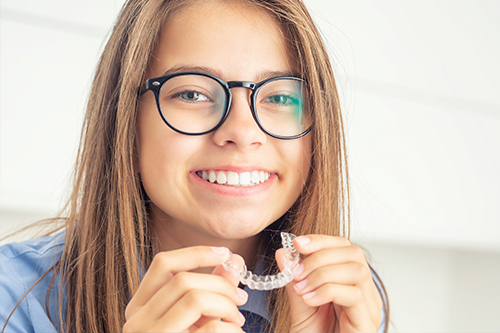
Aligners are formed from smooth, medical-grade plastic and designed for a snug, comfortable fit. They work subtly and continuously to guide teeth toward the planned outcome.

From initial fitting to final refinement, your clinician provides guidance and monitoring so you stay informed and confident at every stage of your treatment.
Watch first-hand accounts from people who integrated clear aligners into their routines.
*Invisalign® is a registered trademark of Align Technology, Inc.
Ready to learn whether Invisalign® is a good fit for your smile? Contact Dental Care of Islington to arrange a consultation and start exploring treatment options tailored to your goals.
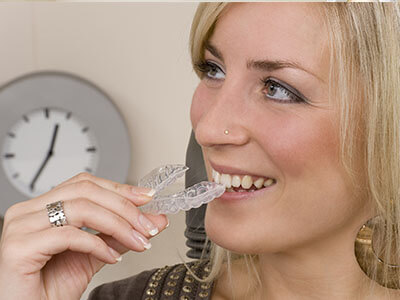

Invisalign is a clear aligner system that gently moves teeth using a series of custom-made, removable trays. Unlike traditional braces, it uses smooth, medical-grade plastic rather than brackets and wires. The discreet design makes it a popular option for adults and teens who want less visible orthodontic treatment.
Each set of aligners is worn for a prescribed period before progressing to the next tray, producing gradual, controlled tooth movement. Because the trays are removable, patients can eat normally and maintain regular oral hygiene throughout treatment. Digital planning and custom fabrication help clinicians predict and guide the desired tooth movements.
Treatment begins with a clinical exam and a high-resolution digital scan to capture current tooth positions and the bite. The clinician uses 3-D imaging to create a step-by-step movement plan and a virtual preview of the expected result. That plan is translated into a sequence of aligners manufactured to incrementally reposition teeth.
Patients typically wear each aligner for one to two weeks and return for periodic progress checks so clinicians can confirm movement and make adjustments. If refinements are needed, updated scans or additional aligners can fine-tune results before completing active treatment. At the end of active alignment, retainers are recommended to protect and preserve the new positions.
Invisalign can address a wide range of alignment concerns including crowding, spacing, and certain bite issues. Ideal candidates are committed to wearing aligners most of the day and maintaining good oral hygiene to support healthy movement. Teens and adults with healthy teeth and gums often see the best outcomes, while more complex cases may require combined or alternative approaches.
A careful dental evaluation will identify any restorative or periodontal needs that should be addressed prior to orthodontic movement. Preparatory treatments such as fillings or cleanings may be recommended to create an optimal foundation. A personalized consultation determines whether Invisalign alone or in combination with other care is the best path forward.
Treatment duration varies with the complexity of the case and patient compliance. Many patients complete active alignment within several months to about a year, while more involved cases can take longer. The frequency of wear, the number of aligners, and the nature of the planned tooth movements all affect the pace of treatment.
Use of attachments, elastics, or auxiliary procedures can extend or modify the timeline to achieve desired movements. Regular appointments allow the clinician to monitor progress and make refinements that influence total treatment length. Consistent wear and open communication with your provider help keep the case on schedule.
Patients generally wear aligners most of the day, removing them for eating, drinking anything other than water, and routine oral hygiene. This flexibility means meals remain unrestricted and brushing and flossing are straightforward compared with fixed braces. Some minor pressure or sensitivity is common when switching to a new set and typically resolves within a day or two.
Carrying a protective case and a compact toothbrush helps you follow instructions while away from home and minimizes the temptation to wear aligners less than recommended. Avoiding hot liquids while wearing aligners prevents warping, and cleaning trays regularly preserves fit and appearance. Clear communication with your dental team can address day-to-day questions and comfort concerns as they arise.
Rinse aligners with cool water each time you remove them and brush them gently with a soft brush to remove debris. Avoid using abrasive toothpaste or hot water, which can scratch or distort the plastic. Periodic soaking with a manufacturer-recommended cleaner can help maintain clarity and hygiene without damaging the tray.
Maintain a consistent brushing and flossing routine to protect teeth and gums throughout treatment, since gum inflammation or decay can interrupt orthodontic progress. Bring a travel toothbrush, floss, and your aligner case when you will be out for meals so you can clean your teeth before reinserting trays. Your provider will also schedule regular dental exams and cleanings to monitor oral health during treatment.
Attachments are small, tooth-colored shapes bonded to specific teeth to give aligners better grip and control complex movements. Elastics may be used in some cases to correct bite relationships and are typically anchored to small hooks on teeth or attachments. Both are planned digitally and applied precisely to support predictable movement.
Attachments are matched to tooth color and are discreet, though they may be visible on close inspection, while elastics are usually removable and used only as instructed. Some patients notice minor changes in speech or feel slight awareness around attachments at first, but most adapt quickly. Your clinician will explain why these auxiliaries are needed and how to care for them so they do not hinder daily life.
Before beginning aligner therapy, clinicians evaluate and address active dental disease such as cavities or gum inflammation to ensure a healthy foundation for tooth movement. Restorative needs may include fillings, crowns, or replacement of failing restorations that could affect fit or outcome. Periodontal treatment and professional cleanings are often recommended when gum health is compromised.
In some situations, small interproximal reductions (IPR) — slight enamel reshaping between teeth — may be performed to create space for alignment. Orthodontic extractions are less common but may be necessary in specific crowded cases and are determined during planning. A careful oral-health evaluation makes sure active alignment proceeds safely and predictably.
Our clinical team uses high-resolution scans and advanced treatment planning software to map tooth movements from the initial position to the planned outcome. This digital workflow allows the clinician to visualize sequencing, predict challenges, and incorporate attachments or auxiliaries as needed. Planning emphasizes both function and aesthetics so teeth are moved into positions that support healthy chewing and a balanced smile.
During treatment, scheduled progress checks and communication between visits help ensure the aligners are producing the intended results and allow for timely refinements. If minor corrections are required, updated scans yield additional aligners to fine-tune the outcome without compromising long-term stability. After active treatment, retention protocols are discussed to preserve alignment and maintain your investment in a straighter smile.
To explore whether Invisalign is appropriate, schedule an initial consultation with a certified provider who will review your goals and oral health. The visit includes a clinical exam, digital scanning, and a discussion of the proposed treatment approach and timeline. Bringing questions about daily care and expected milestones helps you make an informed decision.
Contact Dental Care of Islington to arrange a consultation with Dr. Mahit Bhatt or Dr. Aditi Bhatt and begin a personalized review of your options. Our team will explain each step of the process, answer technical questions about aligner mechanics, and outline any preparatory care needed to start treatment. Clear, individualized planning helps set realistic expectations and supports successful outcomes.

Ready to book your next dental appointment or have questions about our services, treatment options, or what to expect during your visit?
We make it easy to connect with our team. Whether you need help scheduling a visit, want to learn more about treatment options, or have any dental concerns, our friendly staff is here to assist you. You can call us, email us, or use our convenient online contact form—whatever works best for you. Take the first step toward a healthier, more confident smile and contact Dental Care of Islington today.
Our Sister Office: Dental Care of Wilmington
Back to top