

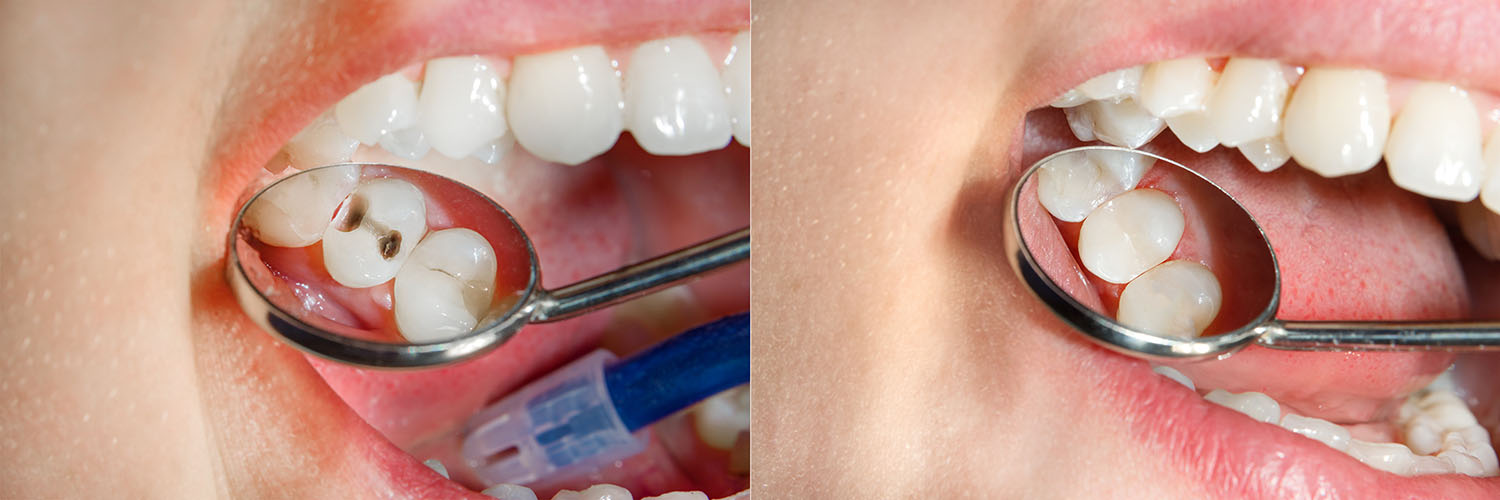
When a cavity or small break affects a tooth, contemporary composite fillings offer a discreet way to restore form and function without drawing attention to the repair. These restorations are made from a tooth-colored resin that can be shaded and textured to match the surrounding enamel, so treated teeth look natural during speech and smiling. Advances in composite chemistry and bonding techniques have improved strength and wear resistance, making these fillings a reliable option for many areas of the mouth.
Composite materials bond to both enamel and dentin, allowing your dentist to replace only the damaged portion of the tooth while preserving healthy structure. Because less tooth needs to be removed compared with older, metal-based restorations, composite fillings support a more conservative approach to restorative care. This preservation of natural tooth helps maintain long-term strength and reduces the need for more extensive treatment down the road.
At Dental Care of Islington, we emphasize restorations that balance durability with a pleasing esthetic. Our team selects composite systems and placement methods that restore bite alignment and chewing efficiency while minimizing visible evidence of treatment. The result is a durable repair that integrates smoothly with your smile.
Careful diagnosis is the first step in any restorative procedure. Your exam may include visual inspection, digital radiographs, and intraoral imaging to determine the location and extent of decay. This evaluation helps the clinician decide whether a direct composite filling is appropriate or if a larger restoration such as an onlay or crown would better protect the tooth long-term.
When a composite filling is indicated, the preparation focuses on removing infected tissue while keeping as much healthy enamel and dentin intact as possible. Because composite adheres directly to tooth structure, the filling can be shaped to follow the natural contours of the tooth and to restore proper contact with neighboring teeth. This approach helps reduce the risk of food trapping and supports periodontal health around the restored tooth.
We also consider functional factors such as your bite, tooth position, and chewing habits. For teeth that sustain heavy wear or for larger defects, we will discuss alternative restorative options and the reasons behind those recommendations so you can make an informed decision about preserving oral health.

Treatment usually begins with targeted anesthesia to keep you comfortable while the decay is removed. Using gentle, precise instruments, the dentist clears out the softened or infected tooth material and shapes the cavity to accept the restorative material. This careful preparation helps ensure a stable foundation for the composite and promotes a strong bond between the tooth and the restoration.
The composite resin is placed in thin layers, with each layer hardened by a specialized curing light. Layering allows the clinician to build the restoration with controlled strength and to sculpt the filling so it matches the tooth’s natural contours and occlusal anatomy. After the composite is fully cured, the restoration is adjusted and polished to achieve a smooth surface that blends with adjacent tooth structure and resists staining.
Your comfort and peace of mind are important during treatment. For patients who experience dental anxiety, we can discuss calmer approaches, including local anesthetic techniques and relaxation options to make the appointment more comfortable. We’ll also review aftercare instructions so you know what to expect when you return to normal activities.
Immediately following your appointment, it’s normal to experience temporary numbness from the anesthetic; avoid chewing until sensation returns to prevent accidental injury to soft tissues. Mild sensitivity to temperature or pressure is common for a few days as the tooth adapts to the new restoration. This sensitivity typically diminishes on its own, but persistent discomfort should be evaluated so adjustments can be made.
Good oral hygiene is essential to the longevity of any filling. Brushing with a fluoride toothpaste, flossing daily, and maintaining regular professional cleanings and exams help protect both the restoration and the surrounding teeth. During your recall visits, the team will check the integrity of the filling, its contact with adjacent teeth, and the health of the gum tissue nearby.
If you notice sharp pain when biting, a rough or protruding edge, or a change in how the tooth feels, contact the practice so we can assess the filling. Minor adjustments are often all that’s needed to restore comfort and function; in rare cases, further restorative care may be recommended if the filling shows wear or if new decay develops at the margins.

Our goal is to restore your tooth in a way that looks natural, feels comfortable, and supports long-term oral health. If you have any questions about composite fillings or cavity treatment, we’re here to help.
Composite restorations are highly effective, but like any dental material they are subject to wear and environmental stresses. Habitual behaviors—such as chewing ice, using teeth as tools, or grinding—can accelerate wear and may compromise a filling over time. We can advise on protective measures, including occlusal adjustments and custom night guards when bruxism is a concern.
Regular dental checkups allow the team to monitor restorations for small fractures, marginal staining, or recurrent decay. Early detection of minor issues enables conservative repairs and often prevents the need for more extensive treatment. When a restoration reaches the end of its serviceable life, we’ll recommend replacement or an alternative restoration that best preserves tooth structure and function.
Maintaining a partnership with your dental team helps ensure restorative success. Routine prevention, a balanced diet that limits frequent acidic or sugary exposures, and timely attention to sensitivity or changes in bite all contribute to the longevity of composite fillings. With care and regular oversight, these restorations can provide dependable performance for many years.
In summary, tooth-colored composite fillings offer a conservative, esthetic, and functional solution for treating cavities and small fractures. Our practice combines careful diagnosis, conservative preparation, and meticulous placement techniques to produce restorations that blend with your smile and support ongoing oral health. To learn more about how composite fillings might apply to your situation, please contact Dental Care of Islington for additional information or to schedule a consultation.
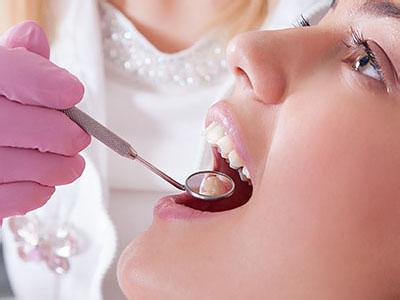

Composite fillings are tooth-colored restorations made from a resin-based material that can be shaded and textured to match natural enamel. They bond to both enamel and dentin, allowing the clinician to conserve healthy tooth structure while replacing only damaged areas. Advances in composite chemistry and bonding techniques have improved strength and wear resistance, making these restorations a reliable option for many parts of the mouth.
At Dental Care of Islington our team selects composite systems and placement methods that restore bite alignment and chewing efficiency while minimizing visible evidence of treatment. Composites are placed in layers and cured with a specialized light, which helps the restoration integrate with the tooth's anatomy. This layering and adhesive approach helps preserve long-term tooth strength and reduces the need for more extensive restorations later.
A thorough diagnosis guides the decision between a direct filling, an inlay or an indirect crown. Visual exam, digital radiographs and intraoral imaging help determine the size, depth and location of decay or structural loss. For small to moderate cavities a direct composite is often appropriate, while larger defects that compromise cusps may be better treated with an onlay or crown to protect the tooth long term.
The clinician also considers functional factors such as occlusion, tooth position and the patient's chewing habits when recommending a restoration. When marginal sealing or cusp protection is a concern, an indirect restoration fabricated in a dental lab can offer greater durability. We explain the reasoning behind recommendations so patients can choose the option that best preserves oral health.
Most filling appointments begin with targeted local anesthesia to ensure patient comfort while decay is removed. The dentist then clears softened or infected tissue and prepares the cavity to accept the composite, shaping it so the restoration will follow natural contours. Because composite bonds directly to tooth structure the preparation can be conservative, preserving more healthy enamel and dentin.
The composite resin is placed in thin layers and each layer is hardened with a curing light to build strength and form. After the material is sculpted to re-create occlusal anatomy the clinician adjusts contacts and polishes the surface to blend with adjacent teeth. We review aftercare instructions and discuss strategies to manage any temporary sensitivity following treatment.
Modern composite materials are formulated to withstand normal chewing forces and resist wear when placed properly. Their bonding capability distributes functional loads across the remaining tooth structure, which helps reduce the risk of fracture. Like all restorations composites are subject to wear and may require monitoring or eventual replacement if stressed over time.
Durability depends on factors such as oral hygiene, diet, bruxism and the size of the restoration, so routine checkups are important to assess performance. When restorations are well maintained they can provide dependable function and esthetics for many years. If a filling shows significant wear, recurrent decay or marginal breakdown the team will recommend the appropriate next steps to protect the tooth.
Immediately after a filling patients should avoid chewing until numbness subsides to prevent accidental soft tissue injury. Mild sensitivity to temperature or pressure is common for a few days and usually resolves on its own as the tooth adapts. Maintain good oral hygiene by brushing with fluoride toothpaste and flossing daily to protect both the restoration and surrounding teeth.
Limit frequent exposure to acidic or sugary snacks and beverages to reduce the risk of recurrent decay around margins. During recall visits the team will examine contacts, marginal integrity and the health of the gum tissue near the restoration. Report any sharp pain when biting, a rough edge or persistent discomfort so minor adjustments can be made promptly.
Yes, fillings can be placed with comfort-focused approaches for patients who experience anxiety or sensitivity related to dental care. Targeted local anesthetic techniques are routinely used, and the dental team can suggest calming strategies such as guided breathing or scheduling adjustments to reduce stress. For patients with pronounced dental fear we discuss additional comfort measures to make treatment more tolerable.
If a strong gag reflex or difficulty with intraoral procedures is a concern, the clinician will adapt techniques and positioning to improve access and comfort. Open communication about prior experiences and preferences helps the team tailor the appointment to the patient's needs. Our goal is to create a relaxed environment where restorative care can be completed safely and effectively.
Fillings may fail because of new decay at the margins, fracture of the restorative material, occlusal wear or adhesive breakdown. Habits such as grinding, chewing hard objects or using teeth as tools accelerate wear and increase the risk of restoration compromise. Regular examinations with visual inspection and radiographs allow the clinician to detect small problems before they progress.
Symptoms that warrant prompt evaluation include new or worsening sensitivity, sharp pain on biting or changes in how a tooth feels when chewing. Minor discrepancies in shape or contact are often corrected with small adjustments, while more extensive problems may require replacement or an alternative restoration. Early detection preserves tooth structure and often simplifies retreatment.
Composite fillings match natural tooth color at the time of placement, and clinicians can layer shades to reproduce translucency and surface texture. Over time composite materials can be susceptible to staining from certain foods, beverages and tobacco, and routine polishing helps maintain their esthetic appearance. Patients who are concerned about staining can limit exposure to strong staining agents and practice careful home care.
If a filling shows surface discoloration but remains structurally sound the team can often polish or refresh the restoration to improve appearance. When staining is accompanied by marginal breakdown or recurrent decay replacement may be recommended to restore both function and esthetics. Ongoing monitoring during regular visits helps determine whether maintenance or renewal is the appropriate course.
Restorations are crafted to restore occlusal anatomy so the tooth can function normally during chewing and speaking. During placement the dentist checks contacts and bite relationships, making occlusal adjustments as needed to ensure even contacts and prevent high spots. Properly contoured fillings help reduce food impaction and support periodontal health around the restored tooth.
For patients who exhibit signs of bruxism or heavy occlusal forces we may recommend protective measures such as occlusal adjustments or a custom night guard to reduce stress on restorations. When a defect involves multiple cusps or alters the tooth's structural integrity an indirect restoration such as an onlay may better restore long-term function. The treatment plan balances conservation of tooth structure with the need to protect the tooth from future failure.
Have fillings checked at your regular dental recalls so the team can monitor marginal integrity, contact points and any early signs of wear or decay. Digital radiographs and intraoral imaging are tools we use to evaluate areas that are not visible to the naked eye and to track changes over time. If you notice sharp pain, a new rough edge or persistent sensitivity contact Dental Care of Islington so the restoration can be assessed.
Routine oversight allows small issues to be addressed conservatively and often prevents the need for more extensive treatments later. If replacement is indicated the clinician will explain options that best preserve tooth structure and restore reliable function. Timely attention to changes in comfort or bite helps protect the long-term health of the tooth and surrounding tissue in our Westwood office.

Ready to book your next dental appointment or have questions about our services, treatment options, or what to expect during your visit?
We make it easy to connect with our team. Whether you need help scheduling a visit, want to learn more about treatment options, or have any dental concerns, our friendly staff is here to assist you. You can call us, email us, or use our convenient online contact form—whatever works best for you. Take the first step toward a healthier, more confident smile and contact Dental Care of Islington today.

Our Sister Office: Dental Care of Wilmington
Back to top